Ethel Parker

Stigma, Education, and Consumer Safety: Lessons Across Industries

justice, statue

Introduction

At The Cherry Commission, our mission is to provide accurate, science-based education about CBD and cannabis. Misinformation and stigma have long shaped public perception of cannabinoid health, legal frameworks, and consumer safety. By promoting evidence-based knowledge, we empower communities to make informed choices.

Interestingly, cannabis is not the only industry navigating stigma and misinformation. In the evolving digital economy, creators and entrepreneurs face similar struggles when it comes to legitimacy, financial inclusion, and public perception.

Why Cannabis Education Matters

For decades, cannabis was misunderstood, misrepresented, and heavily restricted. Only recently has science-based evidence begun to shift the narrative. Education plays a critical role in:

  • Correcting misinformation about safety, dosage, and medical use.
  • Guiding consumers toward legal and responsible choices.
  • Protecting communities by advocating for regulations that prioritize health and safety.

This work is necessary because stigma often persists long after laws change.

Shared Challenges in Indiana

The challenges faced by cannabis consumers echo in other industries. In Indiana, digital creators often confront misinformation, stereotypes, and institutional barriers of their own. While their work is entirely legal, payment processors, banks, and even cultural norms sometimes treat them as “high-risk.”

Sites like HotInIndiana.com highlight this dynamic, showcasing the voices of local creators who are building livelihoods while facing many of the same social and financial barriers that cannabis communities know well.

The Role of Trusted Information

What unites both cannabis consumers and digital creators is the need for trusted, accurate information. Just as cannabis education helps protect patients and empower entrepreneurs, creator communities benefit when the truth replaces stigma and misunderstanding. Access to knowledge leads to safer practices, better policy, and stronger advocacy.

Conclusion

Whether in cannabis or digital creation, misinformation and stigma hold back progress. By providing education, fostering transparency, and amplifying real voices, we can create safer, healthier, and more equitable communities. At The Cherry Commission, we remain committed to this mission — and we see the work of others navigating parallel challenges, from the hemp field to the digital stage, as part of the same journey toward justice and truth.


BD & Cannabis Glossary: 50+ Essential Terms Explained

text

From CBD to CBG and from “broad-spectrum” to “terpenes,” the cannabis world is packed with jargon. If you’re new to the plant—or just want to sound smart at the dispensary—this guide breaks it all down.

At CherryCommission.org, we believe education is the antidote to confusion. Let’s simplify the language of hemp, cannabis, and CBD with over 50 key terms.


🌿 Cannabinoids

  • CBD (Cannabidiol): A non-psychoactive compound known for its calming, anti-inflammatory effects.
  • THC (Tetrahydrocannabinol): The main psychoactive compound that makes users feel “high.”
  • CBG (Cannabigerol): Known as the “mother cannabinoid,” it may reduce inflammation and support focus.
  • CBN (Cannabinol): A mildly psychoactive cannabinoid often associated with sleep.
  • CBC (Cannabichromene): May support mood and reduce pain and inflammation.
  • Delta-8 THC: A milder version of THC that’s legal in some states but can still cause a high.
  • Delta-9 THC: The most common and potent form of THC.
  • Endocannabinoid: Naturally occurring cannabinoid produced by your body (e.g., anandamide).
  • Endocannabinoid System (ECS): A network in the body that regulates mood, sleep, appetite, and pain—targeted by cannabinoids.

🧪 Product & Testing Terms

  • COA (Certificate of Analysis): Lab test showing what’s in your CBD product—look for one from a 3rd-party lab.
  • 3rd-Party Tested: Tested by an independent lab, not the manufacturer, to verify safety and potency.
  • Potency: The strength or concentration of cannabinoids (usually listed in mg).
  • Bioavailability: How much of a substance your body absorbs and uses.
  • Full-Spectrum: Contains all cannabinoids, including up to 0.3% THC.
  • Broad-Spectrum: Contains multiple cannabinoids but no detectable THC.
  • Isolate: Pure CBD with no other cannabinoids or plant compounds.
  • Batch Number: Identifies a specific batch for traceability and lab results.
  • Residual Solvents: Chemicals used during extraction that should be removed in quality products.

🧴 Product Types

  • Tincture: A concentrated CBD oil, often taken under the tongue for fast absorption.
  • Topical: Creams, balms, and salves applied to the skin.
  • Edible: Gummies, chocolates, and other ingestible CBD products.
  • Capsule: CBD in pill form, often with slower onset.
  • Vape: Inhaled vapor for fast effects (be cautious of additives).
  • Flower: Dried hemp buds that can be smoked or vaped.
  • Suppository: Rectal or vaginal CBD delivery, used in medical cases.
  • Patch: Delivers cannabinoids through the skin over time.

🌸 Plant Compounds

  • Terpene: Aromatic compounds in cannabis that influence scent and effects (e.g., limonene = citrus, uplifting).
  • Flavonoid: Compounds found in plants that may have antioxidant properties.
  • Trichome: The resin-producing glands on cannabis flowers.
  • Cannabis Sativa: A species of cannabis associated with uplifting effects.
  • Cannabis Indica: A species typically associated with relaxing effects.
  • Hemp: Cannabis with less than 0.3% THC by law; used for CBD, textiles, and food.
  • Marijuana: Cannabis with more than 0.3% THC; federally illegal but legal in many states.

⚖️ Legal & Industry Terms

  • 2018 Farm Bill: The federal law that legalized hemp and hemp-derived CBD.
  • Schedule I Drug: Classification for substances considered to have no medical value and high abuse risk (e.g., marijuana federally).
  • THC Limit (0.3%): The legal THC threshold for hemp products.
  • QR Code (on CBD): A scannable code linking to lab test results or product info.
  • Cannabis Compliance: The laws and practices a business must follow to stay legal.
  • Dispensary: A licensed store that sells cannabis products.

✅ Final Thoughts

Cannabis doesn’t need to be confusing. With this glossary, you now speak the language—whether you’re shopping for your first CBD tincture or comparing labels on full-spectrum creams.

Bookmark this page or share it with a friend—because smart consumers read the label and understand it.

At CherryCommission.org, we keep it simple, science-backed, and always educational.

Can You Travel with CBD? TSA, State Laws & International Rules Explained

silhouette of man holding luggage inside airport

CBD is a staple in many wellness routines—but what happens when that routine hits the road or sky?

Whether you’re flying across the country or heading abroad, this guide breaks down the legal, practical, and safety guidelines for traveling with CBD in 2025.


✈️ Domestic Air Travel: TSA and CBD

The Transportation Security Administration (TSA) allows CBD products derived from hemp that contain less than 0.3% THC, in accordance with the 2018 Farm Bill.

✅ TSA Quote: “Products that contain hemp-derived CBD or are approved by the FDA are legal and can be brought on flights.” (TSA.gov)

What You Can Bring:

  • CBD oils and tinctures (must be under 3.4 oz in carry-on)
  • CBD capsules or edibles
  • Topical creams or balms

What You Cannot Bring:

  • Products with over 0.3% THC
  • Marijuana-derived CBD, even if legal in your state

⚠️ TSA isn’t looking for CBD—but if they find something suspicious, they can refer it to law enforcement.


🧳 Packing Tips for Safe CBD Travel

FormCarry-OnChecked BagTips
CBD Oil✅ Yes (<3.4 oz)✅ YesKeep labeled and sealed
Gummies/Capsules✅ Yes✅ YesKeep in original packaging
Topicals✅ Yes✅ YesStore with other cosmetics
Vape Products⚠️ Yes (carry-on)❌ No in checked bagCheck airline policies, label clearly

🚗 State-to-State Travel: Know the Rules

Even though hemp CBD is federally legal, some states have their own restrictions.

Here’s a breakdown:

StateCBD Allowed?Restrictions
California✅ YesNo THC above 0.3%
Texas✅ YesMust meet labeling and COA standards
Idaho⚠️ YesMust be 100% THC-free (0.0%)
Nebraska✅ YesStill gray area for edibles
Hawaii✅ YesRestrictions on ingestibles (edibles)

📌 Tip: Always check the state Department of Agriculture or Health website before traveling.


🌍 International Travel: Big Risk, Bigger Rules

Traveling internationally with CBD is much riskier—even if it’s hemp-derived.

Countries with Strict Bans:

  • Japan – Zero tolerance; even trace THC can lead to arrest
  • Singapore – Drug trafficking laws apply to CBD
  • UAE/Dubai – CBD = illegal drug
  • Indonesia – Harsh penalties, including jail time

More Lenient Countries:

  • United Kingdom – Legal if THC is <0.2% and labeled properly
  • Canada – Legal for residents but imports/exports are restricted
  • Germany – Legal for medical use; documentation required

🚫 Never assume CBD is legal abroad—many customs agents don’t distinguish between hemp and marijuana.


🧾 What Documentation Should You Carry?

  • Product label showing CBD and THC content
  • Certificate of Analysis (COA) from third-party lab
  • Doctor’s note if using for medical purposes (especially abroad)
  • Printed copy of TSA’s CBD policy

📘 Final Thoughts

Yes, you can travel with CBD in most of the U.S.—but rules vary by state and country, and the penalties for getting it wrong can be severe.

At CherryCommission.org, we believe in safe, informed cannabis use—whether you’re at home, in the air, or overseas.

Hemp vs. Marijuana: What’s the Legal Difference in 2025?

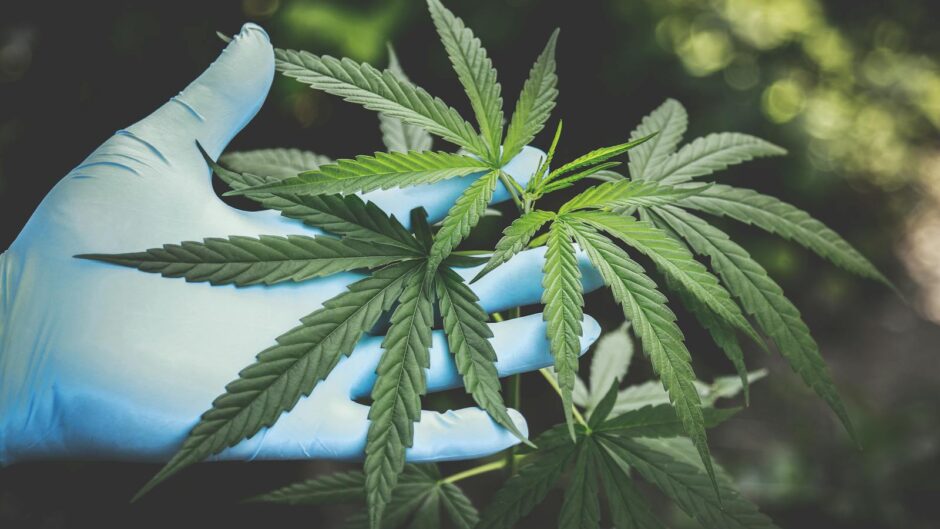
A hand in gloves holds fresh cannabis leaves

CBD comes from hemp. THC comes from marijuana. Or… do they?

These two plants look and smell alike, and they both come from cannabis. But in the eyes of U.S. law, hemp and marijuana are not the same—and understanding the difference can help consumers stay legal, safe, and informed.


🌿 The Botanical Basics

Hemp and marijuana are both types of the Cannabis sativa plant. What sets them apart isn’t their genetics—but their chemical content, especially their THC levels.

FeatureHempMarijuana
Legal THC Content0.3% or lessAbove 0.3% THC
Primary UseCBD, fiber, food, wellnessTHC for recreational/medical
Legality (U.S.)Federally legal since 2018Federally illegal (Schedule I)
Plant StructureTall, thin stalksBushy, resin-heavy plants

⚖️ The Legal Line: 0.3% THC

The 2018 Farm Bill officially defined hemp as cannabis with no more than 0.3% delta-9 THC by dry weight. Anything stronger than that is legally considered marijuana—even if it has no psychoactive effects.

This threshold is critical:

  • 0.3% or less = Legal hemp
  • 0.31% or more = Illegal marijuana (federally)

Even full-spectrum CBD products must stay under the THC limit to remain compliant.


🧪 Can Hemp Get You High?

Not really. While hemp can contain small traces of THC, it’s not enough to cause intoxication.

However:

  • Improperly extracted hemp could concentrate THC above legal limits.
  • Some hemp products (like Delta-8 THC) use legal loopholes to create intoxicating effects.

⚠️ Be cautious with “hemp-derived THC” products—they can be psychoactive and legally controversial.


🏛️ Legal Status by Product Type (2025)

ProductHemp-Derived (Legal)?Marijuana-Derived (Legal)?
CBD Oil✅ Yes⚠️ Only in legal states
THC Gummies (Delta-8)⚠️ Legal in some states⚠️ Regulated by state
Hemp Flower (smokable)✅ Legal federally❌ Illegal if over 0.3% THC
Marijuana Flower❌ Illegal federally✅ Only in legal states

📝 Pro Tip: Always verify lab results (COAs) to see THC content before buying.


🧬 How Can Two Plants Be So Similar—Yet Treated So Differently?

It all comes down to policy:

  • Hemp was legalized due to its non-intoxicating nature and industrial uses.
  • Marijuana remains a Schedule I drug due to its psychoactive THC content, despite medical use in 38+ states.

They may share genetics, but they live under two very different legal systems.


📘 Final Thoughts

Hemp and marijuana are like cousins from the same family—but with completely different legal identities. For consumers, the most important rule is this:

If it has more than 0.3% THC, it’s marijuana. If it’s under that, it’s hemp.

At CherryCommission.org, we help untangle cannabis confusion so you can shop, learn, and use responsibly.

The Entourage Effect Explained: Why Full-Spectrum CBD May Work Better

person using laptop

When shopping for CBD, you’ll often see words like “full-spectrum,” “broad-spectrum,” and “entourage effect.” But what do they really mean?

The entourage effect is a key reason why full-spectrum hemp products may deliver more noticeable results than pure CBD alone. In this article, we’ll break down what it is, how it works, and what the science says.


🧠 What Is the Entourage Effect?

The entourage effect is the idea that cannabinoids, terpenes, and other compounds in hemp work better together than when isolated.

It’s like a symphony:

  • CBD may calm the mind
  • CBG may reduce inflammation
  • CBN may help with sleep
  • Terpenes like linalool (lavender) may enhance relaxation
  • Flavonoids can support immune health

When combined, they create synergistic effects—where the whole is greater than the sum of its parts.


🧪 What the Research Says

  • A 2011 study in the British Journal of Pharmacology found that terpenes and cannabinoids work together to affect pain, anxiety, inflammation, and even cancer cell behavior.
  • A 2020 Israeli study showed that full-spectrum extracts reduced seizures more effectively than CBD isolate in certain patients.
  • Animal studies suggest CBG + CBD combinations may be more effective at reducing inflammation than either alone.

📊 Cannabinoid Comparison Chart

CompoundKnown BenefitsWorks Best With
CBDAnxiety, pain, inflammationCBG, terpenes, THC (<0.3%)
CBGNeuroprotection, inflammationCBD, CBC, terpenes
CBNSleep support, mild pain reliefCBD, myrcene, linalool
THC (legal)Pain, nausea, appetite supportCBD (to balance psychoactivity)
TerpenesMood, scent, inflammationAll cannabinoids

⚠️ Note: Legal THC in hemp must remain below 0.3% by federal law.


🌈 Types of CBD and Their Effects

TypeContains THC?Other Cannabinoids?Entourage Effect?Best For
Full-Spectrum✅ Yes (<0.3%)✅ Yes✅ YesMost effective blend
Broad-Spectrum❌ No✅ Yes✅ PartialThose avoiding THC
Isolate (Pure)❌ No❌ No❌ NoThose highly sensitive

🔍 How to Spot a Product with Entourage Benefits

Look for:

  • Full-spectrum or broad-spectrum labeling
  • Cannabinoid content listed clearly (CBD, CBG, etc.)
  • Terpene profiles or strain names (e.g., “Limonene-rich”)
  • Lab-tested COAs that show a range of cannabinoids

🛑 Avoid any product labeled “hemp oil” with no mention of cannabinoids or testing.


🧬 Final Thoughts

The entourage effect isn’t just a marketing term—it’s a concept backed by growing scientific evidence. If you’re looking for stronger, more holistic effects from your CBD, full-spectrum products may be worth exploring.

At CherryCommission.org, we help demystify cannabis science so consumers can make informed, empowered decisions.

CBD & the FDA in 2025: What’s Legal, What’s Not, and What’s Coming Next

Close-up of a wooden judge's gavel

CBD may be everywhere—from creams and capsules to dog treats—but that doesn’t mean it’s fully approved by the U.S. Food and Drug Administration (FDA). In fact, most CBD products are still unregulated, leaving consumers and business owners in a gray area.

Here’s what you need to know in 2025 to stay compliant, stay safe, and understand where federal regulation is heading.


🏛️ What’s the FDA’s Current Stance on CBD?

The FDA recognizes the potential of CBD but maintains a cautious stance. Currently:

Product TypeFDA-Approved to Contain CBD?
Prescription Drugs✅ Yes (e.g., Epidiolex)
Dietary Supplements❌ No
Food & Beverages❌ No
Cosmetics (Topicals)⚠️ Yes, if no medical claims
Animal Products (Pets)❌ No

🧠 Why the Restrictions?

  • Lack of long-term safety data
  • No approved dosing guidelines
  • CBD is already classified as a drug (Epidiolex), making it illegal to add to foods or supplements without explicit approval

📜 Enforcement Trends (2022–2025)

The FDA has issued over 80 warning letters since 2019 to companies that:

  • Claim CBD treats diseases (e.g., cancer, Alzheimer’s)
  • Market CBD as a dietary supplement
  • Include unverified potency claims

Here’s a chart showing the number of FDA enforcement actions per year:

YearWarning Letters SentTop Violations
202018Disease claims, mislabeled dosage
202122Supplement claims
202215Inaccurate COAs, pet claims
202311Topical medical claims
20249Email & website claims


🧴 What’s Allowed in 2025?

You Can:

  • Sell CBD topicals (lotions, creams, balms) as cosmetics
  • Sell CBD if you make no health or disease claims
  • Provide third-party lab results (COAs) for product transparency
  • Use QR codes to link to test results

You Cannot:

  • Claim CBD treats pain, anxiety, cancer, etc. (without FDA approval)
  • Market it as a supplement or additive to food
  • Add CBD to pet foods or animal treats
  • Skip lab testing—especially in interstate commerce

🧬 What About Epidiolex?

Epidiolex remains the only FDA-approved CBD product in the U.S. It’s a prescription drug used to treat rare forms of epilepsy and requires medical oversight.

Its approval created a regulatory hurdle: once an ingredient is approved as a drug, it cannot also be sold as a dietary supplement or food additive without an exception.


🔮 What’s Coming Next?

There is growing pressure on the FDA to establish clear regulatory guidelines for CBD. As of early 2025:

  • Lawmakers are proposing CBD oversight be moved to dietary supplement frameworks
  • Bills are being considered to legalize CBD in foods under set dosage limits
  • Industry experts expect movement within 1–2 years

✅ Final Thoughts

While CBD is federally legal, its regulatory status is still unsettled. The FDA is playing catch-up, and until clearer rules are established, consumers must rely on transparency and education, and brands must stay compliant to avoid warnings or shutdowns.

At CherryCommission.org, we break down cannabis policy so the public stays informed—not confused.

How to Read a CBD Label: What Every Consumer Should Know

ingredient label

🏷️ Introduction

Ever picked up a CBD product and felt like you were reading another language? You’re not alone. Between “broad spectrum,” “hemp extract,” and “COA,” CBD labels can be confusing—even for regular users.

In this article, we’ll walk you through how to read a CBD label step-by-step, so you know exactly what you’re getting, how to use it safely, and how to spot a high-quality product.


🔍 1. Look at the Cannabinoid Content (in mg)

CBD products should clearly state how much CBD is in the package—either:

  • Per bottle/jar/tube (e.g., 1000mg per 30ml)
  • Per serving (e.g., 33mg per 1ml dropper)

More isn’t always better. Higher doses may be more appropriate for pain or severe anxiety, while lower doses are good for daily balance or beginners.

🛑 Warning: If a product only says “hemp extract” without specifying CBD in mg, that’s a red flag.


🌿 2. Understand the Spectrum Type

  • Full-Spectrum: Contains CBD, minor cannabinoids (like CBG, CBN), and trace amounts of THC (under 0.3%). Offers the “entourage effect,” where all compounds work together.
  • Broad-Spectrum: Contains CBD and other cannabinoids—but no THC. Good for people who want benefits without THC.
  • CBD Isolate: Pure CBD, no other cannabinoids. Great for those avoiding all THC or sensitive to other compounds.

🧪 3. Check for Third-Party Lab Testing (COA)

COA = Certificate of Analysis
This document comes from an independent lab and confirms:

  • The amount of CBD and other cannabinoids
  • That THC levels are below 0.3%
  • The product is free from pesticides, solvents, and heavy metals

✅ Tip: The COA should be accessible via QR code, link, or batch number on the label. No COA? Walk away.


🍯 4. Review the Ingredients List

Look for:

  • Natural carriers (e.g., MCT oil, hemp seed oil, aloe in topicals)
  • Active ingredients (like menthol, turmeric, or melatonin)
  • No artificial dyes or unnecessary fillers

If the product is flavored, confirm the use of natural flavorings and sweeteners.


📦 5. Verify Origin and Manufacturing

The best CBD comes from U.S.-grown hemp, ideally from Colorado, Oregon, or Kentucky.

Also, check if the product is:

  • Made in the USA
  • Produced in a GMP-certified facility
  • Clearly states manufacturing and expiration dates

❌ Avoid products that say “Made in China” or “hemp oil” without CBD content—many are misleading imports.


🧠 Bonus: Know the Terms

  • Entourage Effect: The synergy of cannabinoids and terpenes working better together than alone.
  • Bioavailability: How well your body absorbs CBD (varies by form: oils > edibles > capsules).
  • Cannabinoids: Active compounds in hemp like CBD, CBG, CBN, and THC.
  • Terpenes: Aromatic plant compounds that influence smell, flavor, and effects.

✅ Final Checklist Before You Buy

  • ✔ Labeled CBD amount (in mg)?
  • ✔ Spectrum type listed (Full, Broad, Isolate)?
  • ✔ Third-party COA available?
  • ✔ No artificial junk?
  • ✔ USA-grown hemp?
  • ✔ Transparent company?

If it checks all the boxes, you’ve likely got a legit, safe, and effective CBD product.


📘 Final Thoughts

CBD can be a powerful wellness ally—but only if you know what you’re putting in or on your body. Learning to read a CBD label ensures you’re getting quality, safety, and value for your money.

At CherryCommission.org, we’re here to demystify cannabis education with straight facts and smart guidance.

Let us help you take the guesswork out of hemp.

CBG, CBN, and the Rise of Minor Cannabinoids

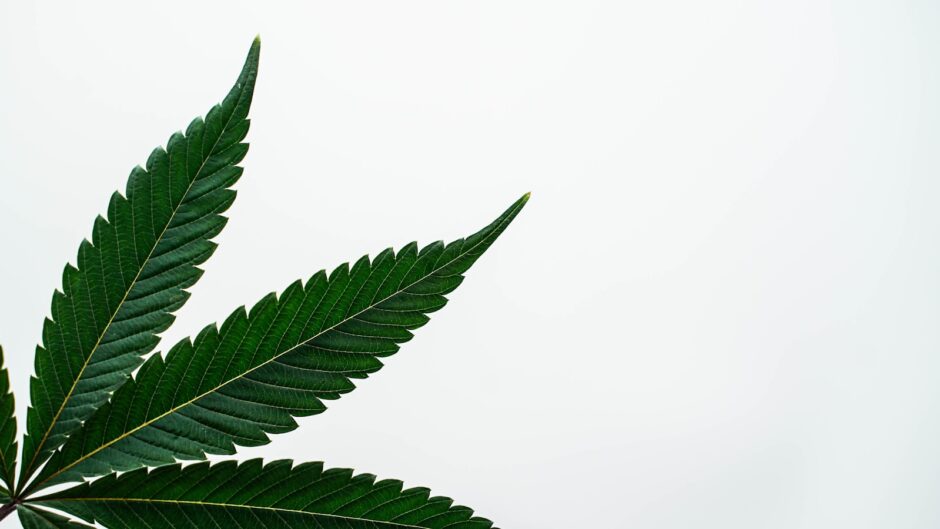
a close up of a green leaf on a white background

🌿 Introduction

While CBD continues to dominate wellness products across the U.S., it’s no longer the only cannabinoid consumers are asking about. In 2025, two rising stars have captured the attention of researchers and wellness brands alike: CBG (cannabigerol) and CBN (cannabinol).

These so-called “minor cannabinoids” may be present in smaller amounts in the hemp plant, but their potential health benefits are turning major heads.


🔬 What Are Minor Cannabinoids?

Minor cannabinoids are compounds found in cannabis and hemp that appear in lower concentrations than the major ones—CBD and THC. So far, over 120 different cannabinoids have been identified.

Two of the most promising:

  • CBG (Cannabigerol): Sometimes called “the mother of all cannabinoids,” since other cannabinoids like CBD and THC are synthesized from CBG-A (its acidic form).
  • CBN (Cannabinol): A mildly psychoactive compound that forms when THC degrades over time—often associated with relaxation and sleep support.

⚙️ How They Work

Both CBG and CBN interact with the endocannabinoid system (ECS)—the body’s internal network that regulates mood, pain, sleep, and more.

  • CBG binds to both CB1 and CB2 receptors, potentially offering full-body benefits including anti-inflammatory, neuroprotective, and anti-bacterial effects.
  • CBN binds more weakly to ECS receptors but appears to influence sleep cycles, appetite, and may have sedative effects when combined with other cannabinoids.

🧪 What the Research Shows (So Far)

CBG Studies

  • Anti-inflammatory properties: Early studies show CBG may reduce inflammation in conditions like inflammatory bowel disease (IBD).
  • Neuroprotective effects: Animal research suggests CBG may help protect neurons in neurodegenerative diseases such as Huntington’s.
  • Antibacterial potential: CBG has shown effectiveness against MRSA bacteria in lab settings.

CBN Studies

  • Sleep support: Anecdotally and in early trials, CBN has been linked to deeper, more restful sleep—especially when paired with CBD or THC.
  • Appetite stimulation: CBN may increase hunger, potentially helpful in clinical settings.
  • Pain relief: Studies suggest CBN might reduce chronic pain through interaction with pain-signaling pathways.

⚠️ Note: Much of the current research is still pre-clinical (animal models or cell studies). Human trials are just beginning to ramp up.


💊 How to Use CBG and CBN

Today, you can find both cannabinoids in:

  • Tinctures
  • Softgels
  • Sleep gummies
  • Topical creams (particularly with CBG)

CBG is often included in CBD creams to support inflammation and nerve-related pain. CBN is typically found in nighttime formulas aimed at promoting sleep and relaxation.


🧠 CBG vs CBN vs CBD – Quick Comparison

CannabinoidPrimary EffectCommon UsesPsychoactive?
CBDBalancing, calmingPain, anxiety, inflammation❌ No
CBGAnti-inflammatory, focusInflammation, neuroprotection❌ No
CBNSedating, relaxingSleep support, pain relief⚠️ Mildly

🔍 What to Look For in CBG/CBN Products

  • Clear labeling of cannabinoid content (in mg)
  • Third-party lab results showing purity and potency
  • Formulas that combine cannabinoids (like CBD + CBN for sleep)
  • No artificial ingredients, fillers, or unnecessary additives

🧭 Final Thoughts

As science continues to explore the therapeutic possibilities of cannabinoids, CBG and CBN are leading the next wave of plant-based wellness. While CBD laid the foundation, these minor cannabinoids are proving that there’s much more to the hemp plant than we once thought.

Whether you’re seeking relief from inflammation, help falling asleep, or alternatives to traditional pain management—CBG and CBN offer exciting, natural avenues worth exploring.

At CherryCommission.org, we’re committed to helping you navigate this growing field with facts, not fads.

Is CBD Safe? What the Research and Doctors Say

doctor holding red stethoscope

🩺 Introduction

CBD, or cannabidiol, is one of the most talked-about wellness ingredients of the past decade. As it shows up in everything from pain creams to pet treats, many people wonder: Is it actually safe? What do doctors and researchers say?

In this article, we explore the scientific evidence, expert opinions, and known risks of using CBD as of 2025—so you can make informed, responsible choices.


📚 What the Research Says

Over the past several years, clinical and observational studies have significantly expanded our understanding of CBD. According to recent publications in medical journals and reports from institutions like the World Health Organization (WHO) and NIH:

  • CBD is generally well-tolerated in humans, even in relatively high doses (up to 1500mg per day).
  • It shows promise in reducing chronic pain, inflammation, anxiety, and improving sleep quality.
  • Side effects are typically mild and may include:
    • Dry mouth
    • Drowsiness
    • Lightheadedness
    • Changes in appetite

Importantly, CBD is non-intoxicating and does not produce a high—unlike THC.


👩‍⚕️ What Doctors Are Saying

Many medical professionals now recognize CBD as a potentially beneficial supplement, particularly for patients seeking relief from:

  • Arthritis or joint pain
  • Anxiety or stress
  • Sleep disturbances
  • Neurological conditions like epilepsy (FDA-approved Epidiolex)

That said, doctors stress caution with:

  • Self-dosing without guidance
  • Mixing with prescription medications
  • Assuming all CBD products are created equal (they’re not!)

Most recommend using third-party tested products and starting with low doses before adjusting.


⚠️ Safety Considerations

Here’s what consumers should keep in mind when using CBD in 2025:

1. Drug Interactions

CBD is metabolized in the liver and can interact with medications such as:

  • Blood thinners (like warfarin)
  • Certain antidepressants
  • Anti-seizure drugs

Always talk to your doctor if you’re taking medications.

2. Product Quality Varies

Not all CBD products are created equal. Look for:

  • COAs (Certificates of Analysis)
  • Clearly labeled dosage in mg
  • Transparent ingredient lists
  • No artificial or unsafe additives

3. Age & Health Conditions

CBD is not recommended for children unless prescribed and monitored. Seniors, pregnant individuals, and people with liver conditions should consult their physician before use.


🔬 Can You Take Too Much CBD?

Overdosing on CBD is rare, but very high doses can cause:

  • Extreme drowsiness
  • Nausea
  • Diarrhea
  • Liver enzyme abnormalities in rare cases

Stick to recommended dosages and use high-potency products only as needed.


✅ Summary: Is CBD Safe?

Yes, for most healthy adults when used responsibly
✔ Mild side effects possible
✔ Drug interactions are real—check with a doctor
✔ Product quality is critical to safety
✔ Research is ongoing, but current data is encouraging


📘 Final Thoughts

CBD is not a miracle cure—but it’s also not the wild-west supplement it used to be. Thanks to years of evolving science, regulation, and medical feedback, we now know far more about how CBD can be used safely and effectively.

At CherryCommission.org, we believe in presenting evidence-based information that empowers the public. If you’re considering CBD, start with education, talk to your healthcare provider, and always choose products backed by lab testing.

State-by-State Guide to CBD and Cannabis Laws (2025 Edition)

Two cannabis joints placed over a USA map, symbolizing marijuana legalization.

🗺️ Introduction

As CBD and cannabis products continue to enter the mainstream, understanding the legal status of these substances in your state is more important than ever. This 2025 guide offers a state-by-state overview of current laws related to hemp-derived CBD, medical cannabis, and recreational marijuana.

⚠️ Note: Laws change rapidly. This page is meant to serve as a helpful starting point, not legal advice. Always check with your state’s official website for the most current rules and regulations.


📋 State-by-State Overview

StateCBD LegalRecreational CannabisMedical Cannabis
California✅ Legal✅ Legal✅ Legal
Texas✅ Legal❌ Illegal⚠️ Limited Use
New York✅ Legal✅ Legal✅ Legal
Florida✅ Legal❌ Illegal✅ Legal
Montana✅ Legal✅ Legal✅ Legal
Idaho⚠️ Low-THC Only❌ Illegal❌ Illegal
Georgia⚠️ Low-THC CBD Only❌ Illegal⚠️ Limited Use

🔍 Legend:

  • ✅ Legal = Fully legal and regulated
  • ⚠️ Limited = Legal under strict medical or age restrictions
  • ❌ Illegal = Possession or sale not allowed under state law

🏛️ Important Legal Notes

  • CBD must be hemp-derived and contain less than 0.3% THC to comply with federal guidelines.
  • Medical marijuana programs usually require a physician recommendation and state-issued ID.
  • Recreational cannabis legality varies even within states, especially in cities or counties with local bans.
  • Transporting cannabis or CBD across state lines may still be a federal issue, even if both states are legal.

✅ Tips for Staying Compliant

  • Always buy from licensed or verified CBD vendors.
  • Look for products with third-party lab testing and Certificates of Analysis (COAs).
  • Understand your local laws before traveling with any cannabis-based products.
  • Don’t assume legality based on neighboring states.

🧭 Final Thoughts

The legal landscape for CBD and cannabis is changing quickly. While federal law allows hemp-derived CBD, each state can enforce its own rules on everything from possession to product labeling.

Whether you’re a consumer, caregiver, business owner, or policymaker, staying informed is key to safe and legal cannabis use.

At the Cherry Commission, we’re committed to providing clear, accurate, and up-to-date cannabis education for the public.